Sleep Paralysis Explained: Why You Wake Up Unable to Move
You wake, your eyes open, and your body will not move. The cause is a safety system from dreaming sleep that lets go a moment late.
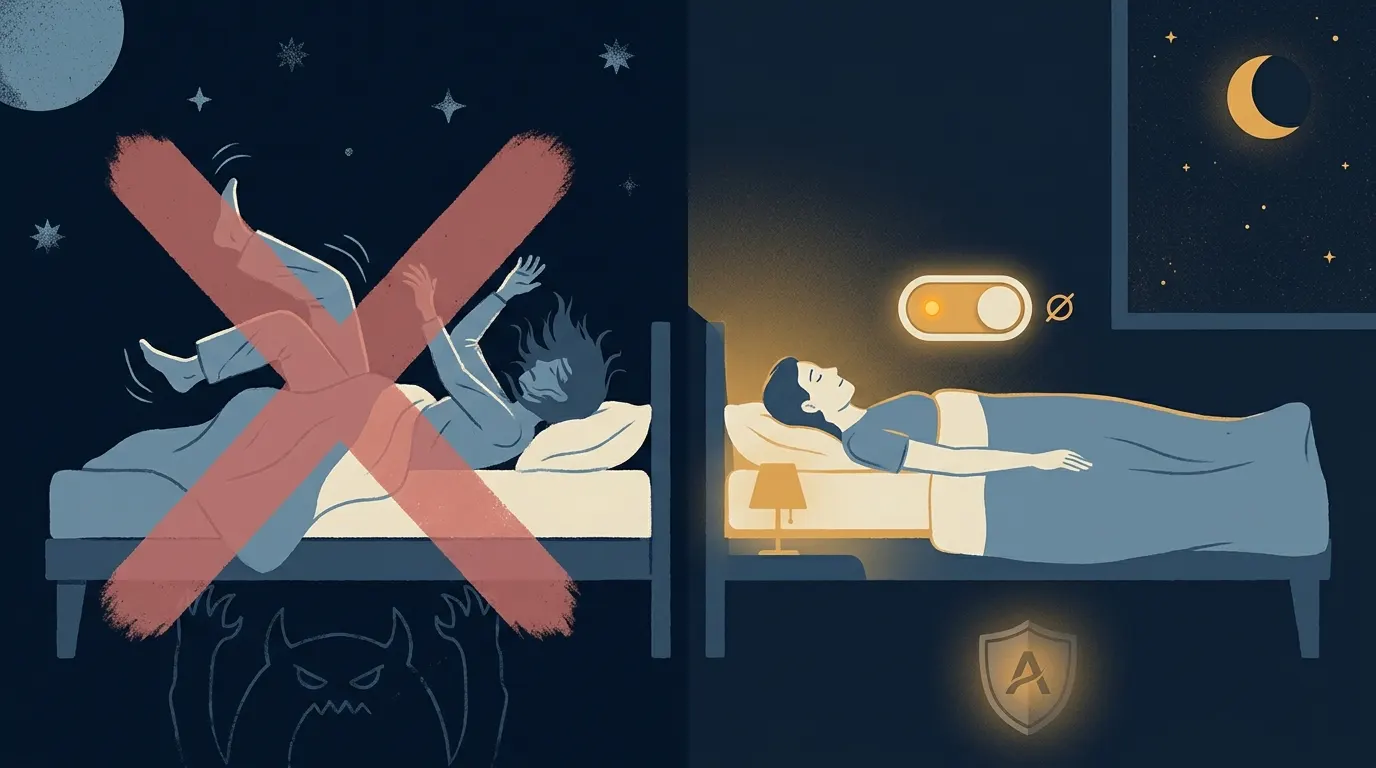
Sleep paralysis happens when your mind wakes a few moments before your body does. During dreaming sleep your brain switches your muscles off so you cannot act out your dreams. In an episode, your awareness returns while that off switch is still engaged. You are fully awake and cannot move, and it passes within a couple of minutes.
Key points
- Sleep paralysis happens when your awareness switches on before REM atonia, the muscle paralysis of dreaming sleep, has released.
- The weight on your chest is shallow, automatic REM breathing felt by a waking mind.
- The figure in the room is dream imagery and an alarmed threat-detection system still running after you wake.
- Episodes last seconds to a couple of minutes and end on their own.
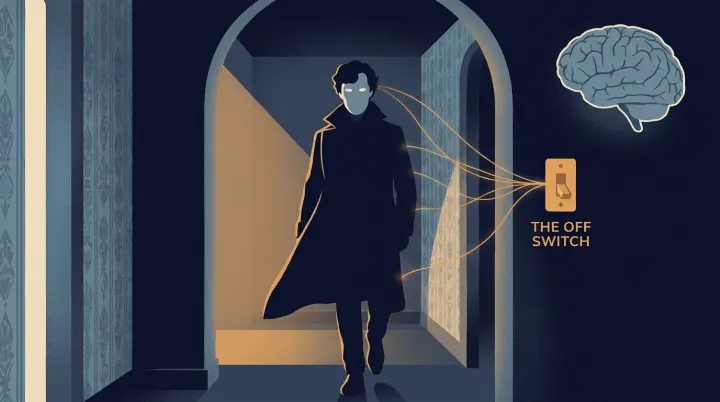
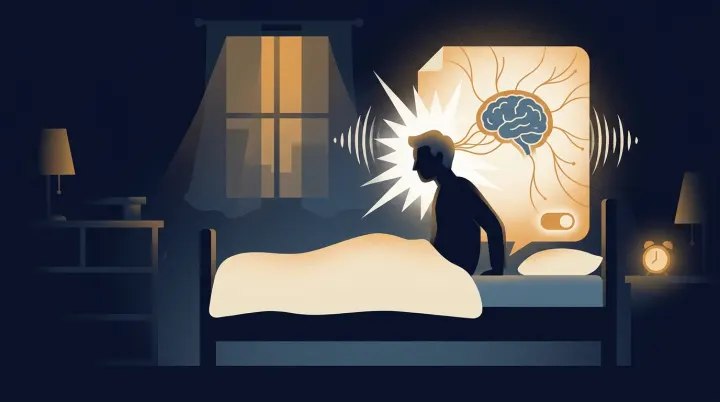
Picture 3:23 in the morning. Your eyes are open and you can see your own room. You go to turn over and nothing happens. You try to call out and no sound comes. Something seems to be in the room with you. This is the case of the paralysis, and every clue in it points back to your own sleeping brain.
What is sleep paralysis?
Sleep paralysis is a brief overlap between two states that are supposed to stay separate. Part of your brain has woken up before the rest has finished sleeping. You are conscious, your eyes work, and your body stays locked for a few seconds to a couple of minutes.
It is common. A systematic review put lifetime prevalence at roughly eight in every hundred people, with higher rates among students (Sharpless & Barber, 2011).
It is also classed as benign. The International Classification of Sleep Disorders lists recurrent isolated sleep paralysis among the parasomnias linked to REM sleep (AASM, 2014). Like the hypnic jerk, it is a glitch at the border between sleeping and waking.
Why can't you move when you wake up?
You cannot move because REM atonia has not released yet. Atonia is the muscle paralysis that belongs to dreaming sleep, and in an episode it outlasts the dream by a moment.
Every night, when you dream, you enter REM sleep. Your brain is intensely active and your dreams are vivid. At the same time your brain releases chemical signals that inhibit the motor neurons controlling your muscles. From the neck down you go almost completely limp.
This is a safety feature. Dreams contain running, fighting and falling, and atonia stops you acting them out and hurting yourself. The first suspect in this case turns out to be the bodyguard.
Normally two things switch back on together as REM ends: your awareness and your muscles. In sleep paralysis, awareness comes back first. Your mind is awake in a body that is still running the sleep program.
The paralysis holding you down is the same mechanism that protects you every time you dream.

Why does it feel like something is sitting on your chest?
The pressure is your own breathing, still set to sleep mode. During REM your breathing is shallow and largely automatic. When you wake and try to take a big, deliberate breath, it feels as if you can't.
A waking mind reads that as a weight pressing on the ribs. You can still breathe throughout. The sensation is REM breathing felt by someone who is suddenly conscious of it.
Why do you see a figure in the room?
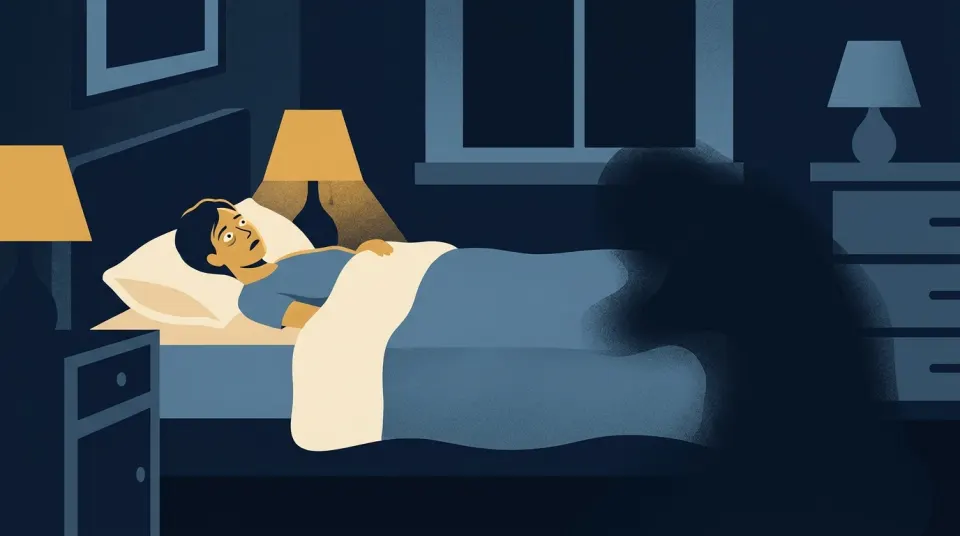
The figure is dream imagery, painted by a brain whose threat detector is already sounding the alarm. Your dreaming has not fully shut off, and your fear needs something to point at.
Researchers who catalogued thousands of episodes found that the hallucinations fall into three clusters (Cheyne et al., 1999):
- a sensed intruder in the room
- pressure on the chest
- a feeling of floating or flying
People today, with no demons in their vocabulary, often describe the same intruder. It is a tall, dark, featureless shadow of a person, standing in the doorway or at the foot of the bed.
Sleep researchers link this to a threat-vigilance system that switches on during the episode (Cheyne & Girard, 2007). Your threat detector insists someone is there, and your senses cannot supply a face. Your brain fills the gap with the most generic threat it can draw, which is a human shape made of shadow.
Why does every culture have a sleep paralysis demon?
Every culture has one because every culture has the same brain. The mechanism came first, and the monsters were invented to explain it.
In Newfoundland it was the Old Hag, a witch who sat on your chest while you slept. Medieval Europe blamed a demon called the incubus. In Japan it is kanashibari, to be bound by metal. In Italy it is the Pandafeche.
The details repeat across countries and centuries. You are awake, you cannot move, and something is in the room. When thousands of people describe an identical experience, a shared mechanism is the likelier explanation.
In 1781 the Swiss painter Henry Fuseli put it on canvas. The Nightmare shows a woman asleep on her back with a small, grinning demon squatting on her chest. It caused a sensation when it was first shown in London. Fuseli had painted sleep paralysis two centuries before science could explain it.
The verdict
You did not wake into danger. You woke early, a few seconds ahead of your own body, into a safety system that was still doing its job. The weight on your chest was REM breathing, and the figure in the room was dream imagery driven by an alarmed threat detector. The off switch lagged, and within seconds to a couple of minutes it lets go on its own.
What actually helps
Two things help during an episode, and both follow from the mechanism.
- Pick one small movement. The big muscles are locked, and struggling against them feeds the panic. Wiggle a finger or a toe, or blink hard. The small muscles come back first, and that is often enough to break the episode.
- Slow your breathing on purpose. Remind yourself that you can breathe. Steadying your breath calms the alarm.
To have fewer episodes, look at what makes them more likely. Research on sleep paralysis keeps flagging sleep deprivation, irregular sleep schedules and high stress (Denis et al., 2018). Sleeping on your back also makes episodes more common for many people.
- Keep a consistent sleep schedule.
- Get enough hours.
- Wind down before bed.
- Try sleeping on your side.
When to see a GP
The occasional frozen minute at 3am, on its own, is harmless. It is classed as a benign phenomenon and is not a disorder.
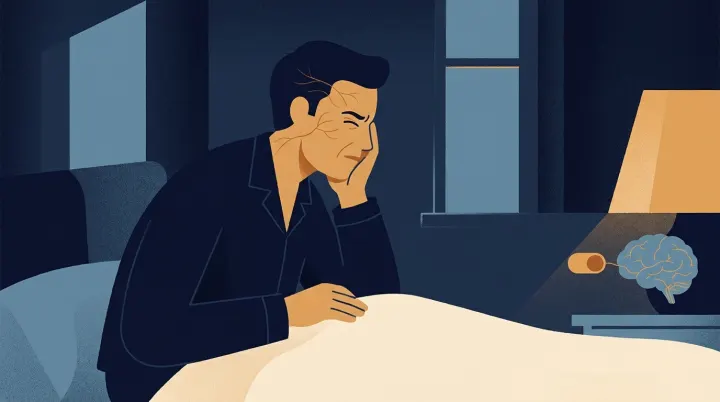
One combination is worth mentioning to your GP or a sleep specialist. If sleep paralysis happens often and you are also overwhelmingly sleepy in the daytime, or you nod off suddenly during the day, say so. That pattern is one of the things clinicians check for narcolepsy.
If your trouble is less the waking and more the getting back to sleep, that is a separate case. This article is educational and is not medical advice.
Quick answers
What causes sleep paralysis?
During REM sleep your brain inhibits the motor neurons that control your muscles, a state called REM atonia, so you cannot act out your dreams. Sleep paralysis happens when your awareness switches back on before that atonia has released. You are awake inside a body still running the sleep program.
How long does sleep paralysis last?
An episode lasts from a few seconds to a couple of minutes. The atonia then releases on its own and you can move again. Focusing on one small movement, such as wiggling a finger or toe, is often enough to break the episode sooner, because the small muscles come back first.
Is sleep paralysis dangerous?
For almost everyone, no. It is classed as a benign phenomenon, and about 8% of people experience it at least once. If it happens often and you are also overwhelmingly sleepy in the daytime, or nod off suddenly during the day, mention that combination to your GP.
Sources
- Sharpless, B.A. & Barber, J.P. (2011). Lifetime prevalence rates of sleep paralysis: a systematic review. Sleep Medicine Reviews, 15(5), 311-315. View source ↗
- Cheyne, J.A., Rueffer, S.D. & Newby-Clark, I.R. (1999). Hypnagogic and hypnopompic hallucinations during sleep paralysis: neurological and cultural construction of the night-mare. Consciousness and Cognition, 8(3), 319-337. View source ↗
- Cheyne, J.A. & Girard, T.A. (2007). Paranoid delusions and threatening hallucinations: a prospective study of sleep paralysis experiences. Consciousness and Cognition, 16(4), 959-974. View source ↗
- Denis, D., French, C.C. & Gregory, A.M. (2018). A systematic review of variables associated with sleep paralysis. Sleep Medicine Reviews, 38, 141-157. View source ↗
- American Academy of Sleep Medicine (2014). International Classification of Sleep Disorders, 3rd ed. Darien, IL: American Academy of Sleep Medicine. View source ↗
NightWise is educational content based on published sleep research. It is not medical advice. If something about your sleep worries you, speak to your GP or a sleep specialist.
Comments
Loading comments…